

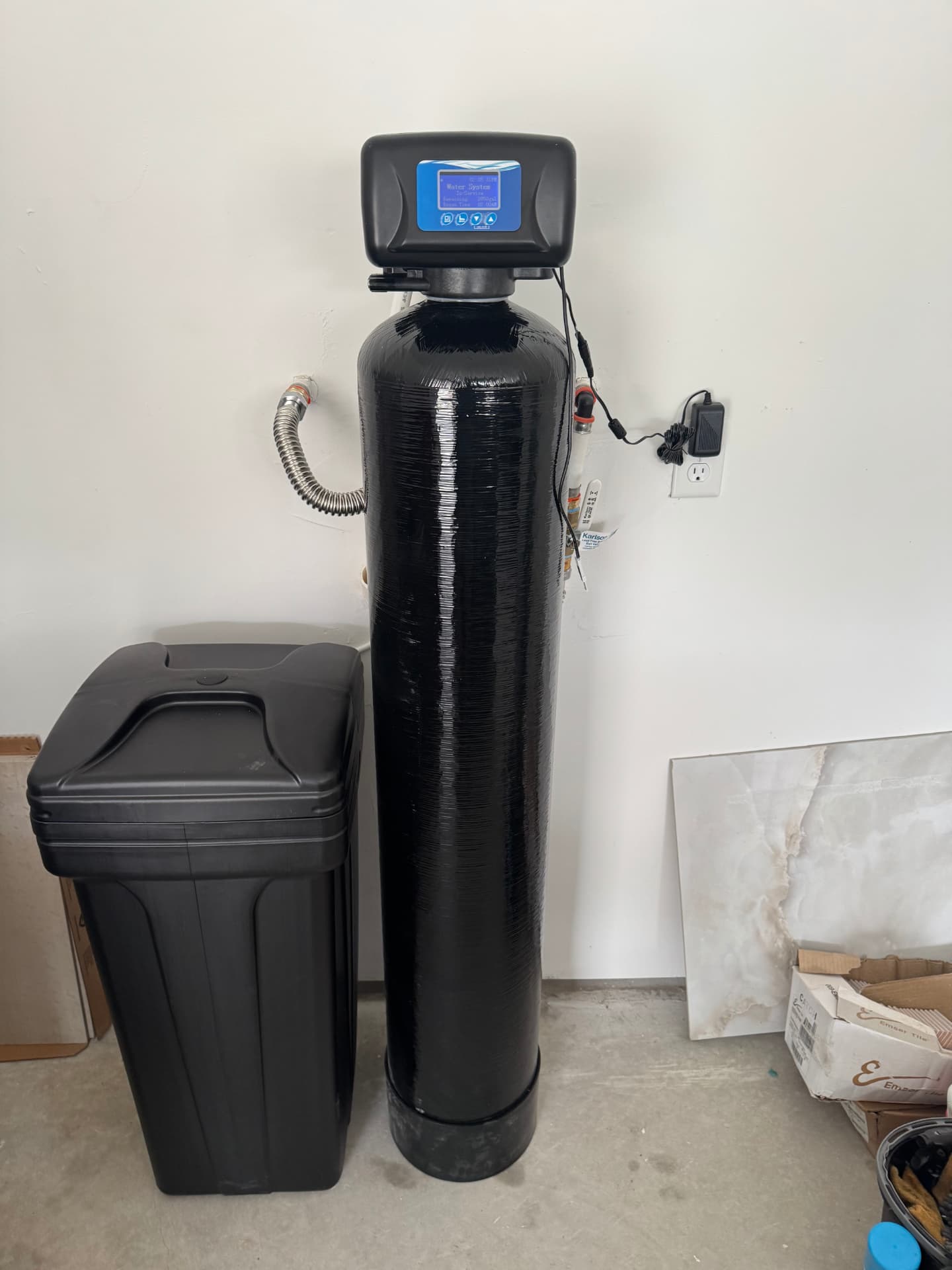
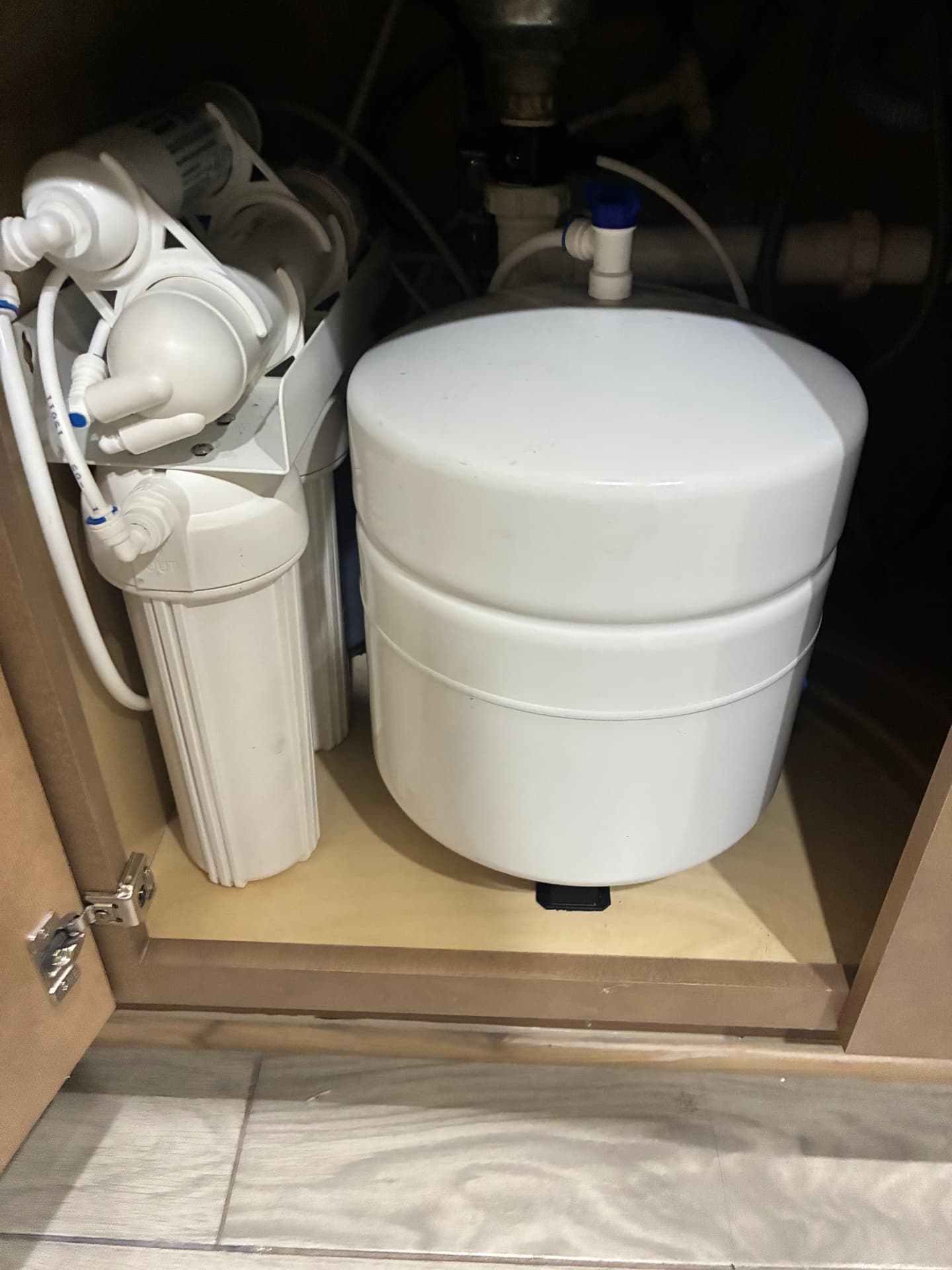
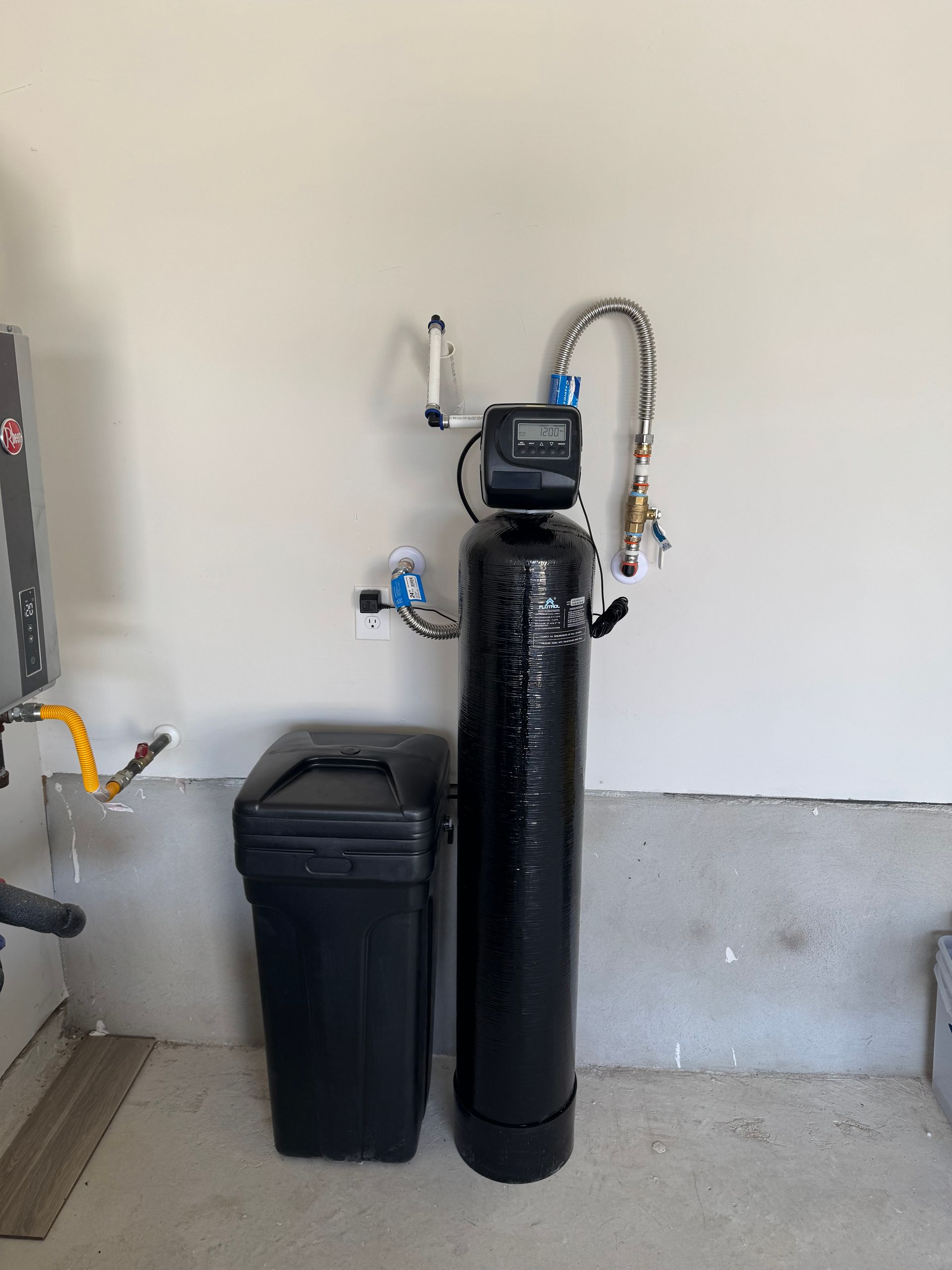
Water softeners and reverse osmosis systems sold and installed
Plumbing MD sells and professionally installs water softeners and reverse osmosis systems for San Antonio-area homes. These systems address different water concerns, so the first step is understanding what you want to change. Mineral deposits on fixtures, soap performance, and drinking water taste are not all solved by the same treatment. A useful selection starts with the property’s water source, current plumbing, and the needs of the household.
Call to discuss your observations and whether you are considering whole-home treatment, a drinking water system, or both. If you have water test results or information from the water provider, mention them during the conversation. Treatment should be selected for identified needs rather than a broad promise to remove everything. Plumbing MD can discuss the sale and installation of a suitable system without treating a softener and an RO unit as interchangeable products.
What a water softener does
A conventional ion-exchange water softener reduces calcium and magnesium, the minerals associated with water hardness. Hardness can contribute to scale on plumbing fixtures and inside equipment, and it can affect how soap behaves. Softening is different from filtering every contaminant out of drinking water. A softener should not be described as a complete purification system or assumed to make an unsafe water source safe to drink.
The amount of treatment needed depends on measured hardness and household water use. Visible spots alone do not provide a reliable sizing calculation. Discuss the number of occupants, daily use, and any fixtures or appliances that create higher demand. Also consider which lines should be softened and whether particular uses should remain on an untreated supply. The installation plan should fit the plumbing layout rather than assume every outlet in every home has the same requirements.
What reverse osmosis treatment does
Reverse osmosis uses a membrane and associated filtration stages to treat water, commonly at a dedicated drinking water outlet. A point-of-use system serves a specific location rather than automatically treating every fixture in the house. Depending on the model and its verified performance claims, it can reduce particular dissolved substances. The exact substances reduced, maintenance requirements, and capacity should be checked for the selected equipment.
An RO system should not be advertised as removing every possible contaminant. Look for product certifications and performance documentation relevant to the concern you are trying to address. If you suspect a health-related water quality issue, obtain appropriate testing and follow guidance from your water provider or public health authority. A taste complaint and a confirmed contaminant concern are different reasons for treatment, even when both lead you to consider a drinking water system.
Choosing a softener, an RO system, or both
If the main concern is hardness and mineral buildup throughout the home, a softener may be the relevant option to discuss. If the goal is treatment at a drinking water tap, an RO system may be considered for that application. Some households choose both because the systems serve different purposes. That choice should reflect the water conditions, preferred uses, maintenance commitment, and the specifications of the actual equipment.
Avoid selecting a system only because it has the largest capacity or the most stages listed on the box. More stages do not automatically mean better treatment for your needs. Ask which problem the system addresses, how its performance is verified, and what it does not do. Plumbing MD sells both water softeners and RO systems, so your call can cover the difference between whole-home softening and dedicated drinking water treatment.
Installation space and plumbing connections
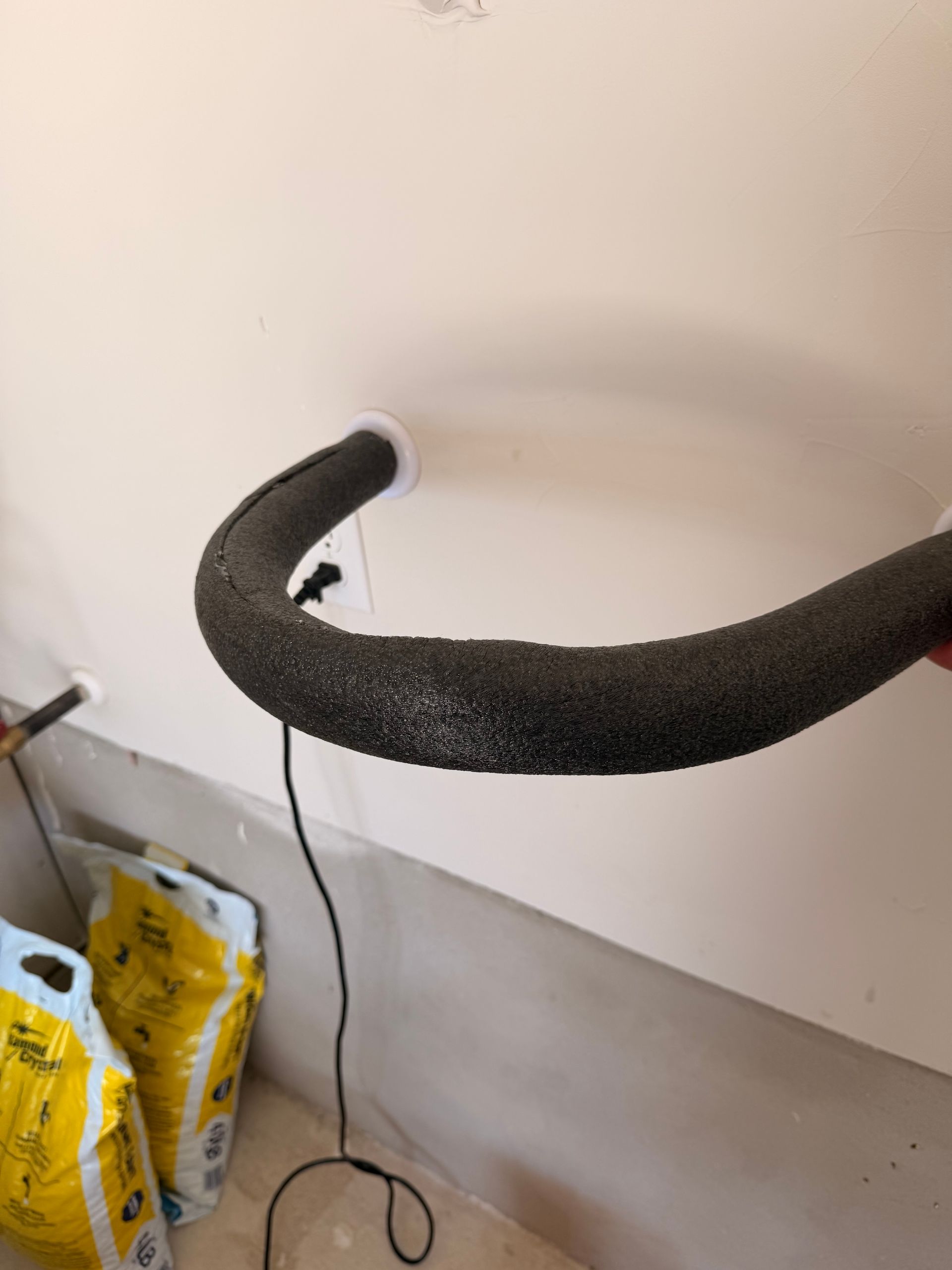
A water softener installation needs a suitable location and compatible plumbing, along with the connections and service access required by the selected model. Regenerating systems need appropriate drainage, and some equipment requires electrical power. An existing softener loop can be helpful, but it does not establish that every system will fit without changes. Tell Plumbing MD whether your home has a loop, an old unit, or a proposed installation location.
An under-sink RO installation needs space for its components and any storage tank, a treated-water outlet, and proper supply and drain connections. The drain arrangement must protect the drinking water system from contamination and follow applicable requirements. Refrigerator connections or other outlets should be discussed rather than assumed included. Call before purchasing equipment based only on cabinet dimensions so the plumbing, access, and service requirements can be considered together.
Maintenance, salt, filters, and membranes
Water treatment systems need ongoing care to keep operating as intended. Many softeners require salt replenishment and settings appropriate to the water and household use. RO filters and membranes need replacement according to the manufacturer’s instructions and the condition of the water. Do not assume that installing a treatment system eliminates all future maintenance or that every model uses the same replacement schedule and parts.
Before choosing equipment, ask about required consumables, service access, and the availability of replacement components. Keep the product information and installation records. A change in taste, flow, or equipment behavior is a reason to check the system rather than increase settings blindly. A softener does not replace water heater maintenance, and an RO system does not excuse ignoring leaks at its connections. Follow the specific manufacturer guidance for each installed unit.
Water use and responsible product comparisons
Conventional RO systems produce a reject stream as part of treatment, so water efficiency is worth comparing between models. The EPA WaterSense program includes qualifying point-of-use RO systems evaluated against efficiency and performance criteria. A WaterSense label is a useful product comparison where available, but it does not mean every system sold or installed by a contractor carries that label. Ask about the actual model being proposed.
Compare the full installation and maintenance needs, not just the purchase price. Treatment capacity, verified reduction claims, replacement parts, drainage, and operating requirements all matter. Plumbing MD serves San Antonio and nearby communities including Boerne, Stone Oak, Alamo Ranch, and Timberwood Park. Call to discuss water softener or RO system sales and installation for your home. Specific product availability, pricing, and manufacturer warranty terms should be confirmed directly.
Questions about water softeners & ro systems
Does Plumbing MD sell the systems or only install them?
Plumbing MD sells and professionally installs water softeners and reverse osmosis systems. Call to discuss your household’s water concerns and the intended installation. Product selection, current availability, installation needs, and pricing should be confirmed directly for your property rather than assumed from a generic equipment listing.
Is softened water the same as reverse osmosis water?
No. A conventional softener primarily addresses hardness minerals, while reverse osmosis provides a different treatment process, often for a dedicated drinking water outlet. Neither description alone establishes that a product removes every contaminant. Choose based on water conditions and the verified performance of the selected equipment, not on treating the two systems as equivalent.
Do I need a water test before choosing treatment?
Measured water conditions are a better foundation than appearance or taste alone. Hardness information helps with softener selection, and a suspected contaminant concern may call for appropriate testing. Discuss existing test results and water provider information with Plumbing MD. For a health-related concern, follow public health or water provider guidance while deciding which treatment is suitable.