

Plumbing planning before the finishes are chosen
A kitchen or bathroom remodel changes more than the visible fixtures when sinks, showers, or appliances move. Plumbing MD provides remodeling plumbing in San Antonio, including kitchen and bathroom remodel work, fixture relocation, rough-in, and finish connections. Early planning helps connect the proposed layout with the existing supply, drainage, and venting rather than discover conflicts after cabinets, tile, or countertops are installed.
Call while the layout is still being developed if the project changes fixture locations or adds plumbing. Have the proposed plan and product information available, even if some choices are not final. A renovation that replaces fixtures in the same locations may have a different scope from one that moves a toilet or adds a shower. The work should be based on the actual design and existing conditions, not simply labeled a standard bathroom update.
Kitchen remodel plumbing
Kitchen projects may involve a sink, faucet, disposal, dishwasher connection, refrigerator water supply, or another planned outlet. Changing the sink position or cabinet layout can affect where pipes need to run and how the drain connects. The selected sink depth and cabinet space also matter. A fixture that looks right in a showroom may require plumbing changes when placed in the actual kitchen.
Share the appliance and fixture specifications before rough-in decisions are finalized. Discuss which connections are included in the plumbing work and which tasks belong to other contractors. Countertop installation, electrical changes, cabinetry, and appliance service may need separate coordination. Plumbing MD handles kitchen remodeling plumbing, with the proposed scope tied to the selected layout rather than assuming every project includes the same appliances or connection requirements.
Bathroom remodel plumbing
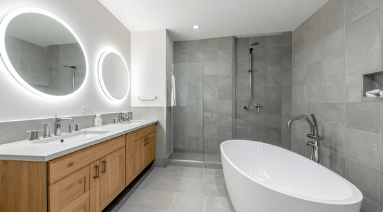
Bathroom renovations can range from replacing a faucet to relocating several fixtures. Moving a toilet, adding a shower, or changing a tub installation can alter supply, drain, and vent work. Existing pipe routes and available access influence what is practical. A layout that works on paper still needs assessment against the structure and plumbing already in place.
Shower valves and concealed connections deserve attention before walls are closed. Trim compatibility, valve location, service access, and the selected fixture’s instructions all affect the installation. Waterproofing, tile, framing, and finish restoration must be coordinated with the responsible contractors rather than assumed to be part of the plumbing service. Call Plumbing MD to discuss bathroom remodel plumbing early enough that the pipe work can be considered alongside the finished appearance.
Fixture relocation and existing conditions
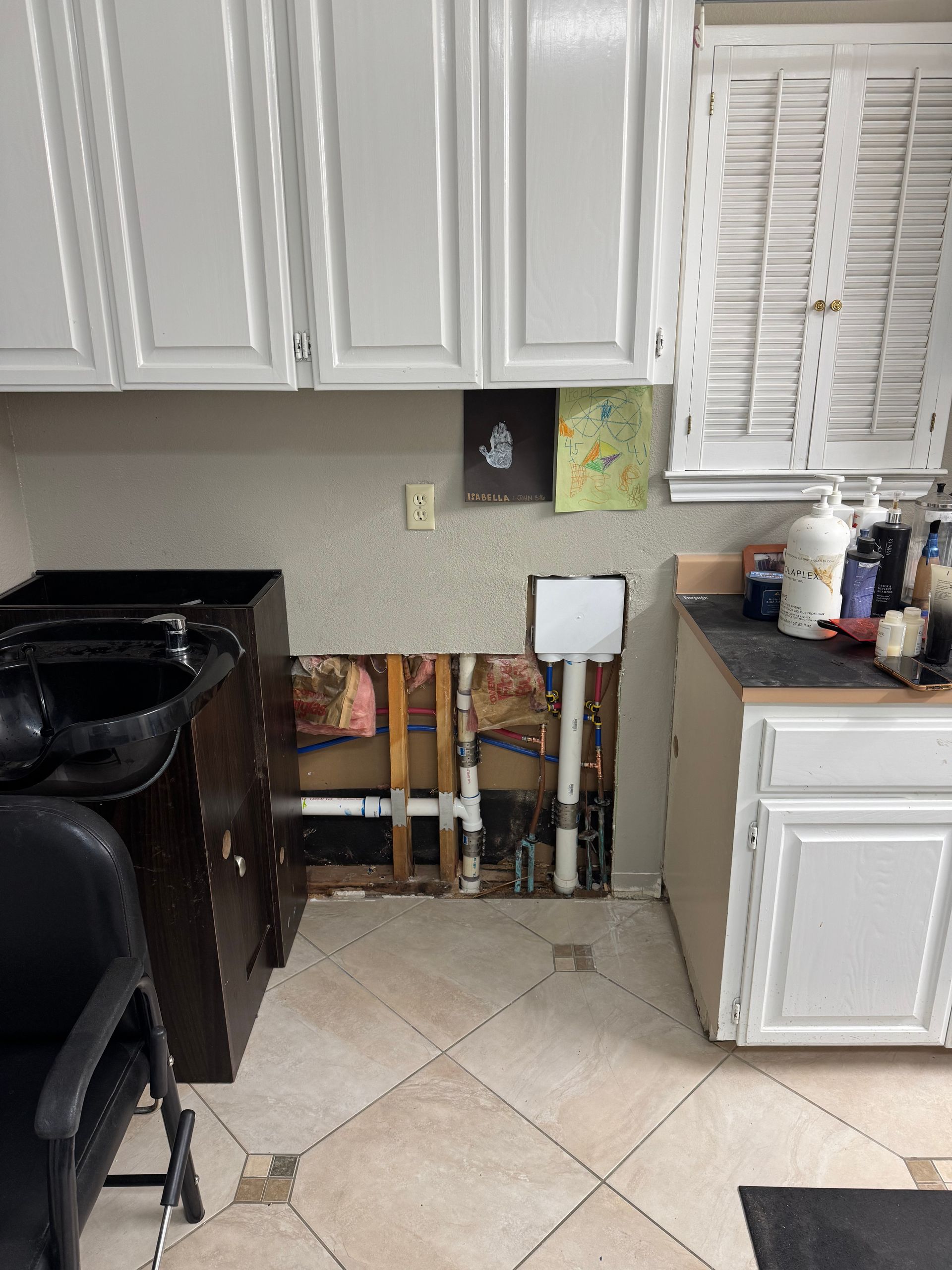
Relocating a fixture means evaluating where water will come from and where wastewater will go. Drainage needs a suitable route and venting, while supply lines need appropriate access and connections. In some properties, floors, walls, or foundations limit the available paths. Those constraints can change the work required even when the fixture moves only a short distance within the room.
Do not assume hidden plumbing is in good condition simply because the old fixture still worked. Once access is available, existing components may need evaluation before they are reused. Discuss how unexpected conditions will be communicated and authorized if they are found. A clear plan distinguishes the agreed remodel work from additional repairs and helps prevent a design change from turning into an undefined project without a revised scope.
Rough-in and finish plumbing are different stages
Rough-in establishes the concealed or preliminary plumbing connections before the room’s finishes are complete. Finish work connects and sets the fixtures after the surrounding construction is ready. The sequence matters because pipe locations and valve positions need to match the selected equipment. Changing a fixture specification late can require revisiting work that was already completed for a different model.
Plumbing MD provides rough-in and finish plumbing for remodeling projects. Discuss the project schedule and the conditions needed before each visit. Where inspections are required, they must be coordinated before covered work becomes inaccessible. Ask which fixtures need to be on site and which dimensions need to be confirmed at each stage. Keeping the contractor informed about layout changes is more effective than expecting the final connections to compensate for an altered design.
Permits, inspections, and contractor coordination
Permit and inspection requirements depend on the project and the jurisdiction. A change to plumbing systems may require more coordination than replacing a visible decorative part. Confirm the applicable requirements for your address and ask who is responsible for obtaining permits and arranging inspections. Do not assume that work is exempt based only on the room being small or the renovation being described as cosmetic.
Clear responsibilities also matter between trades. Structural changes, electrical work, waterproofing, drywall, and finish installation may belong to different contractors. Plumbing routes should not compromise structural elements, and openings should not be closed before required checks are complete. Plumbing MD’s role is the agreed plumbing scope. A shared project plan helps keep fixture specifications, access, and inspection timing aligned without promising that one contractor handles every part of the renovation.
Making practical choices for everyday use
A successful remodel should suit the way the room will be used after construction. Consider fixture access, maintenance space, hot water demand, and whether existing shut-offs are dependable. Water-efficient products can be worth comparing, but they still need to fit the installation and meet the household’s preferences. An attractive fixture is not a complete plan for the plumbing that supports it.
For the initial call, describe whether fixtures will move, which products have been selected, and whether another contractor is managing the renovation. Plumbing MD serves San Antonio and nearby communities including Alamo Ranch, Hill Country Village, Stone Oak, and Alamo Heights. Call to discuss kitchen or bathroom remodeling plumbing and the next assessment step. Pricing and timing depend on the layout, access, existing conditions, and coordinated work rather than a universal remodel package.
Questions about remodeling plumbing
When should I involve the plumber in a remodel?
Before the layout and concealed work are finalized, especially if fixtures will move or new connections are planned. Early discussion allows supply, drainage, venting, and equipment specifications to be considered together. Waiting until cabinets or tile are complete can make a necessary change more disruptive. Call Plumbing MD while the proposed design can still be adjusted.
Can I move a toilet or sink anywhere in the room?
Not without evaluating the plumbing route and existing conditions. Drainage, venting, structure, and access can limit or change what is practical. A short move can still involve substantial work beneath a floor or inside a wall. Discuss the proposed location with Plumbing MD before treating it as a simple fixture swap.
Does remodeling plumbing include tile and cabinet work?
Those tasks should not be assumed included. Plumbing work, waterproofing, tile, cabinetry, electrical changes, and restoration can be separate scopes handled by different contractors. Clarify responsibilities and scheduling before work begins. Plumbing MD provides the agreed remodeling plumbing, including rough-in and finish connections, with other renovation tasks coordinated as the project requires.